

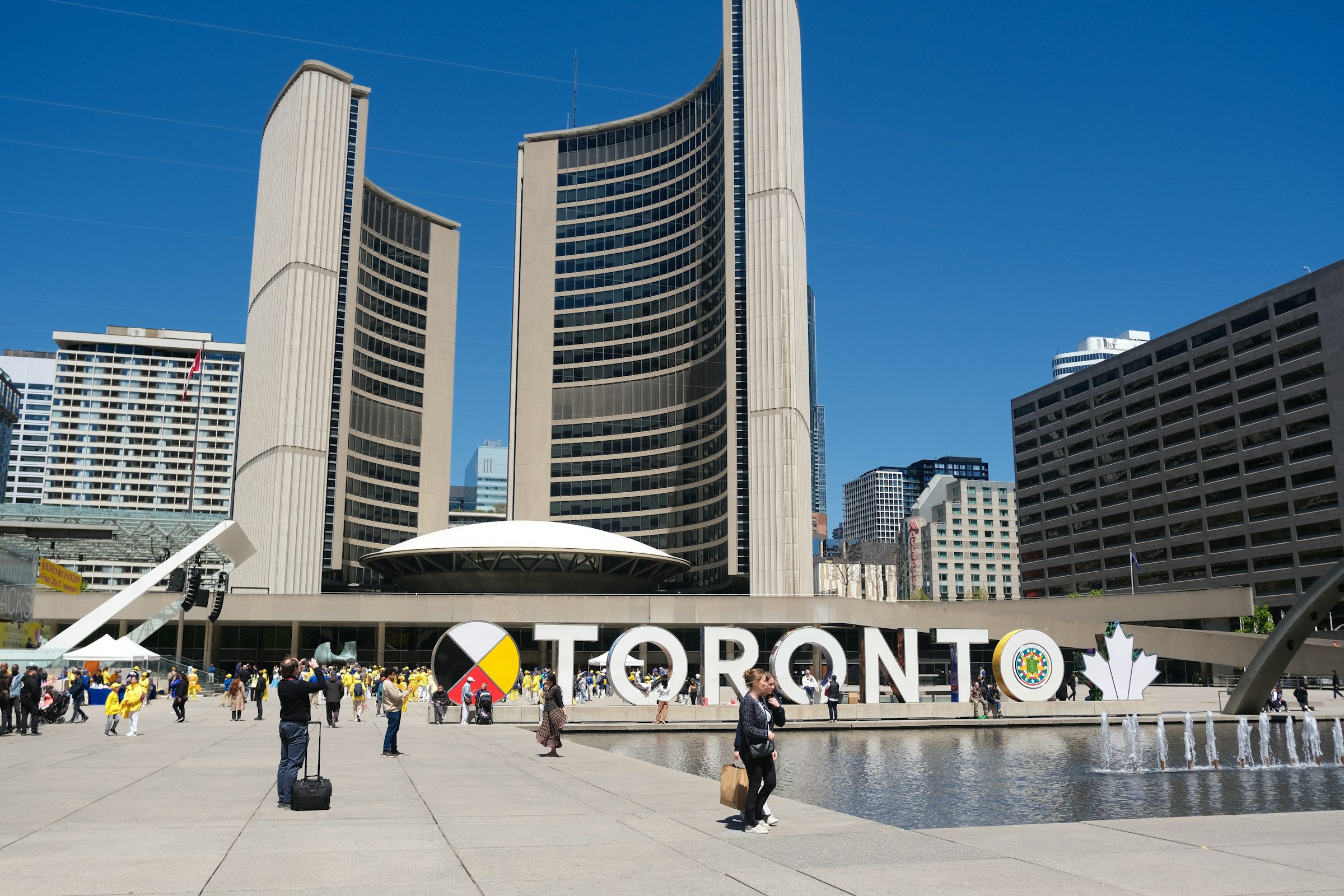
As Toronto’s municipal election approaches, the Toronto Star has a question for its residents: “What would you do if you were mayor?” Through a series of events and initiatives titled “If I Were Mayor”, residents of all ages and backgrounds were invited to share their visions for the city.
On Oct. 1, the Toronto Star held the series’ final event. Hosted by the Star’s business columnist Adam Radwanski, three featured panellists reflected on what Toronto is doing right, where the City is falling short, and what they would do if they held the mayor’s office. Urban planner Jennifer Keesmaat, economist Armine Yalnizyan, and Noah Zon, co-founder of public policy research and advisory firm Springboard Policy, each gave their two cents.
The discussion centred on several persistent challenges facing Toronto: housing affordability, infrastructure, and immigration. For many residents, the city is becoming an increasingly difficult place to build a future.
The panellists agreed that housing is “the backbone to everything.” The crisis has contributed to a range of challenges across the city, particularly for younger residents who struggle to afford homes. Faced with limited opportunities to establish themselves, many are forced to uproot.
Keesmaat highlighted Toronto’s difficulty retaining residents, describing the city’s lack of “stickiness” and pointing to persistent problems with housing and infrastructure.
According to Yalnizyan, “we’ve got a combination of overhoused older people and underhoused younger people.” This observation reflects widely held concerns about the unequal distribution of housing, particularly as younger adults struggle to secure homes of their own. The Statistics Canada figure cited in the discussion states that 26.1 per cent of Torontonians aged 25 to 39 live with a parent. To this end, Keesmaat emphasized the city’s need to better the state of housing, specifically the need for “a World War II effort of homebuilding,” focusing on the types of housing most necessary to young prospective residents.
Zon added that he has begun saving for his youngest child’s down payment for a house because of the city’s inability to provide affordable homes for younger people. His decision reflects the growing concern that homeownership may become increasingly inaccessible to future generations without substantial changes to housing policy and affordability.
Briefly moving from the housing debate, Keesmaat disappointedly remarked that this year’s mayoral campaigns have featured leading candidates speaking exclusively about “what a shitty place Toronto is.” Keesmaat highlighted people’s joy when they visit Toronto, and the discussion returned to what would encourage people to stay in Toronto, particularly those hoping to pursue entrepreneurship. Although the city offers opportunities for business development, aspiring entrepreneurs may be discouraged by the costs and barriers associated with establishing themselves.
Yalnizyan discussed what would attract someone to stay in the biggest market in the country, while Keesmaat asked the audience how many of them would see their everyday choices change if only 10 per cent of their income was spent on housing. Several audience members raised their hands.
Housing, while important, was not the only topic at the event. The discussion also addressed Toronto’s education and employment opportunities. Zon acknowledged the strength of the city’s school system but noted that “the entry points from post-secondary education of any form into a stable career seem to be dwindling.”
All of this is to say: what can actually be done for Toronto by those in charge of citizens’ livelihoods, and do voters believe in their politicians’ campaigns? Across Canada, voter apathy has been increasing, whether due to a lack of representation or to disbelief.
But despite concerns about political representation and public confidence in candidates, Toronto’s advance voting has reportedly drawn a higher turnout than in the previous years. More than 222,000 voters cast their ballots early this year, compared with just under 130,000 in 2023’s mayoral by-election. With 53 candidates in the mayoral race, Olivia Chow and Brad Bradford leading the pack, Toronto’s next mayor will need to meet many high expectations.
