
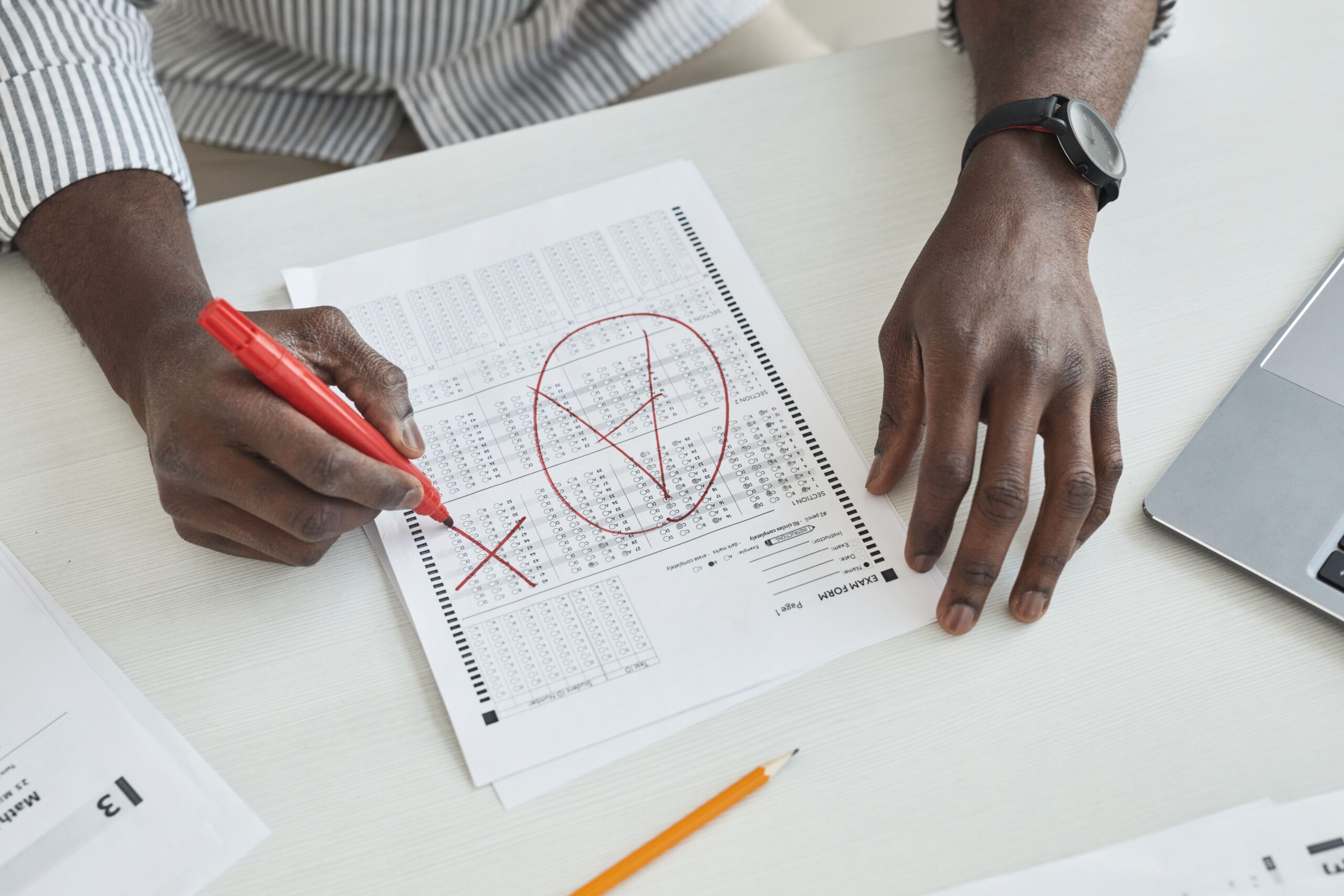
Starting university as a recent high school graduate feels less like an academic jump and more like a high dive into an empty pool. Some may land gracefully, but others belly flop so hard that their GPA looks like a CSI crime scene.
(I genuinely miss watching that CBS hit with my dad late at night in Ghana. Chale, good times—back when problems were wrapped up in 45 minutes instead of financed over four years).
For students struggling in the water, the University of Michigan (UMich) thinks it may have found a life jacket. Beginning in fall 2027, its College of Literature, Science and the Arts plans to designate first-year students’ first-semester grades as pass (P) or no credit (NC) on external transcripts. Students still receive their grades and feedback, but those grades won’t count toward their GPAs.
It sounds merciful on paper: UMich argues that grade covering could give students room to adjust and take academic risks. The university also hopes to help “curb the mental health crisis” among college-aged people; other institutions have taken similar initiatives. In 2022, Carleton began offering two credits – up to four courses – of passes that wouldn’t affect the GPAs of undergraduates in their first year of study.
Reducing pressure is not a bad idea, per se. But the grades still exist – they’ve just entered witness protection. UMich and Carleton both keep them internally for advising, scholarships, and other academic purposes. At York, a pass/fail option is already offered for elective courses. Medo Nyame, if the University ever adopts something similar, I hope we resist our signature institutional flair of encountering a complicated problem, wrapping a quick fix in wellness jargon, and giving it a catchy acronym. Because let’s be honest: passing has limitations that can cause big problems down the road.
A “P” on your transcript can’t perform miracles. It can’t write your first university paper, resurrect a deceased study schedule or make an 8 a.m. lecture humane while your last two brain cells negotiate custody of your attention span. Students should be able to do things and have their work produce results. A pass may encourage minimal effort, because what is there to work for? Failure can produce improvements, help individuals realize faults, and give individuals something to work towards.
Rather than resorting to covering up less-than-stellar grades, we should give first-year students useful feedback early, make expectations clearer, and let them fail occasionally.
And I mean ordinary failures: a paper so horrible you’re haunted by it, the midterm you bombed so bad you have shell shock, the moment your grade and ego retain separate counsel. Failure is unpleasant in the moment, but learning and improving from it can be a beautiful thing.
I can’t deny that Michigan asks a worthwhile question: how much should someone’s first few months at university follow them? Certainly not every mistake should warrant a death sentence.
Reduce pointless pressure. Give students room to screw up, learn, and recover.
But don’t confuse covering the grade with curing what made it hurt.
