

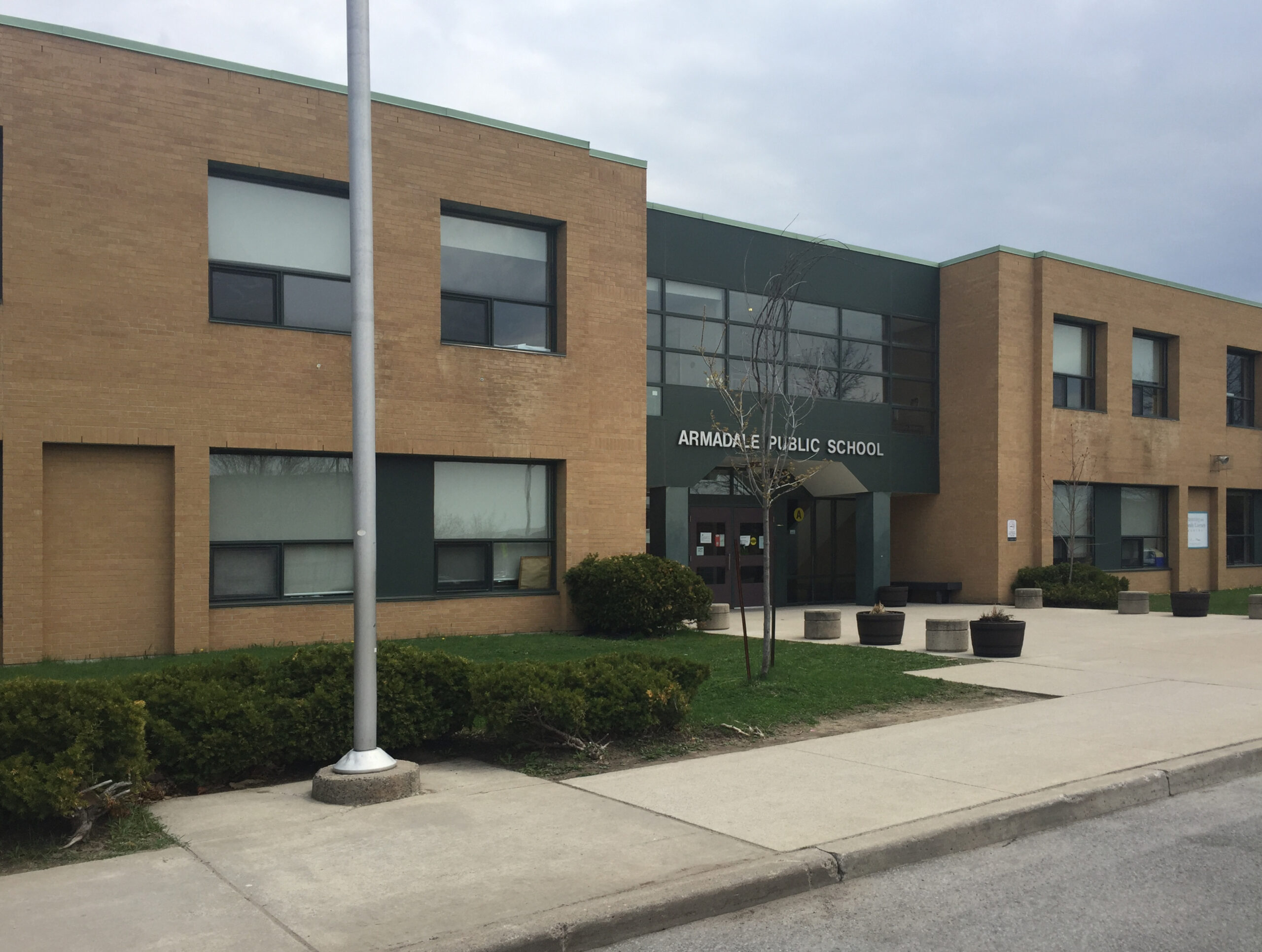
The York Region District School Board (YRDSB) may be reestablishing the School Resource Officer and Youth Engagement Officer programs previously halted in 2021. In early September, a motion was passed by YRDSB trustees that provides staff with six months to investigate how the program might be reinstated. Ahmad Salhia, deputy chief of the community safety branch for York Region Police (YRP), says the program was halted because “the relationship started to fall apart. We were not meeting the expectations of the community, specifically the marginalized community.”
According to Salhia, trust was affected in part by officers becoming involved in law enforcement while on school grounds, discussing how “as a sworn member of the organization, if they come across criminality, or they suspect a crime has taken place, there is an obligation and an onus to investigate.” He explains that the role of School Resource Officers is to build bridges and help youth feel comfortable interacting with police from a young age.
Salhia says that he knows what it’s like to distrust the police. He grew up in a marginalized community and had been stopped by and spoken to by police in a manner that didn’t allow trust to build. After a positive and humanizing interaction with the police when Salhia was 19 or 20, he decided to join the force. Yet, Salhia acknowledges that “there was a time when police did paint everyone with the same brush and we’re still recovering from that.” Now, he sees it as important to not just rebuild community trust, but also to maintain it.
Landon Fink, a fifth-year educational studies major, suggests establishing clear guidelines for the program, “ and then distributing that to the teachers, the students, and the parents,” could help students feel more comfortable if it returns to schools. As a future high school teacher, Fink sees value in directly talking to students before the YRP officers are brought into individual schools to hear their concerns or objections. “High school students are old enough to have been around, to read the news, and to think critically,” he explains.
Between both Salhia and Fink, the common belief seems to be that building trust and clear expectations is the key for this program to work. But after its halting, it remains to be seen if the school board goes through with reimplementing an idea that many deem controversial.
